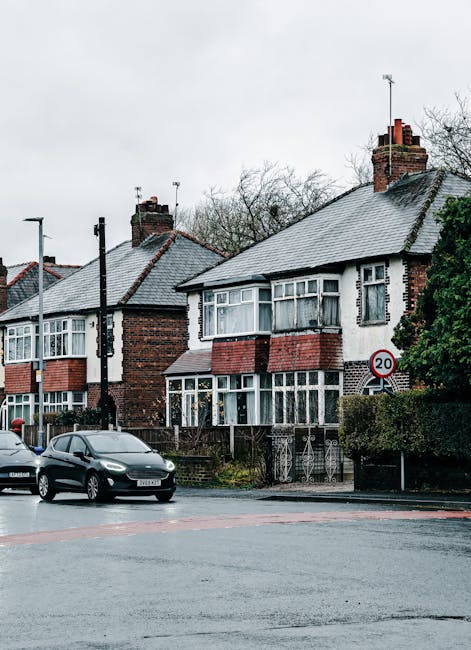
Southbury Road removal company EN3 guide for terraces
If you are moving from a terrace near Southbury Road, you already know the shape of the challenge: narrow hallways, tight front doors, parked cars that never quite leave enough room, and stairs that seem to turn at the worst possible angle. A Southbury Road removal company EN3 guide for terraces is useful because terrace moves are never just about lifting boxes. They are about timing, access, parking, packing, and keeping the day calm enough that you can still find the kettle at the end of it.
This guide walks you through what actually matters on a terrace move in EN3, how a local removals team typically handles it, where people get caught out, and how to choose the right support for the job. You will also find practical checks, a comparison table, and a proper FAQ section so you can make decisions with a bit more confidence. Truth be told, moving house is stressful enough without guessing your way through it.
Table of Contents
- Why Southbury Road removal company EN3 guide for terraces Matters
- How Southbury Road removal company EN3 guide for terraces Works
- Key Benefits and Practical Advantages
- Who This Is For and When It Makes Sense
- Step-by-Step Guidance
- Expert Tips for Better Results
- Common Mistakes to Avoid
- Tools, Resources and Recommendations
- Law, Compliance, Standards, or Best Practice
- Options, Methods, or Comparison Table
- Case Study or Real-World Example
- Practical Checklist
- Conclusion
- Frequently Asked Questions
Why Southbury Road removal company EN3 guide for terraces Matters
Terraced homes bring a very specific kind of moving-day reality. The properties can be charming, full of character, and great for family life, but they often come with constraints that make removals more complicated than a standard van-and-box job. On Southbury Road and nearby streets in EN3, access can be tight, front gardens may be shallow, and there may be limited space to stage furniture before it goes into the van.
That matters because poor planning in a terrace move tends to create knock-on problems. A sofa that looked manageable in the lounge suddenly gets stuck on the landing. A wardrobe that seemed fine in the bedroom turns out to be too large for the stair bend. And if the van is parked a little too far away, the whole day gets longer, heavier, and a lot more frustrating. Not ideal, obviously.
Using a removal company that understands terrace properties means the move is organised around the building, not just around the clock. That can include planning the loading order, bringing the right team size, deciding whether dismantling is needed, and reducing the risk of damage to walls, bannisters, or door frames. For many people, that difference is the line between a decent moving day and one that feels like a mini disaster.
Expert summary: terrace moves work best when the removals plan is built around access, parking, and furniture size first, then speed second. That slightly slower approach often saves time overall.
If you want broader support alongside the move, it can also help to look at removals, house removals, or local removals depending on the scale of your move. For smaller loads, a small removals approach can be a better fit, especially if you are moving just a few rooms.
How Southbury Road removal company EN3 guide for terraces Works
A terrace move usually starts with a survey of the property, either in person or through photos and a detailed call. That first stage is where the removals team works out what is being moved, what is fragile, what needs dismantling, and whether there are access issues such as narrow staircases, low railings, or difficult parking outside the property.
After that, the company will normally shape the move around the layout of the terrace. That might mean bringing protective covers, planning the order items leave the property, and allocating the right crew so the loading is quick but controlled. If there is a parking restriction or limited space outside, the van may need to be positioned carefully to keep walking distance short. On a busy road, that small detail can save a lot of shouting back and forth across the pavement.
Many terrace jobs also benefit from pre-move packing support. A proper packing services option can help if you are short on time or worried about breakables. For those with a temporary gap between homes, removals and storage can solve the awkward middle stage without turning the lounge into a mountain of boxes.
In practical terms, the process usually looks like this:
- Initial enquiry and move details.
- Access check for the terrace property.
- Inventory or room-by-room list.
- Quote and schedule confirmation.
- Packing, dismantling, and preparation.
- Loading, transport, and unloading.
- Optional storage or follow-up delivery.
That sounds simple, but the real value is in the judgement behind each step. A good removals team does not just ask, "How many bedrooms?" They ask, "How do we get the wardrobe out without scraping the paint?" Different thing entirely.
Key Benefits and Practical Advantages
There are several reasons why a terrace-specific removals plan tends to work better than a generic move approach. The first is efficiency. When the team understands the layout in advance, they can bring the right tools, enough labour, and the right vehicle size. That avoids the classic moving-day pattern where someone has to make a second trip because the first van was too small. Nobody enjoys that. Nobody.
The second benefit is damage prevention. Terraced homes often have narrow turns, stair walls close to furniture edges, and older features that can be easy to mark. Careful removals help protect skirting boards, doors, and awkward corners. It also makes sense for your furniture, especially if you are carrying heavier items like wardrobes, dining tables, or sofas that have seen better days but are still somehow your favourite.
The third benefit is stress reduction. You do not need to manage every detail yourself. That is often the real win. When a company handles the logistics, you can focus on keys, utilities, final meter readings, and the inevitable search for chargers and teabags at the new place.
For people who need flexibility, storage can be just as important as the move itself. A few useful options include secure storage, short-term storage, and self-storage. If you are moving out of one terrace before the next home is ready, that flexibility can take a huge amount of pressure off.
- Better use of time on moving day
- Reduced risk of damaged walls, stairs, and furniture
- Less lifting for you and your family
- More predictable scheduling
- Useful storage options if dates do not line up
Who This Is For and When It Makes Sense
This kind of guide is most useful if you live in, or are moving into, a terrace near Southbury Road and want the process handled properly. It is especially relevant if the property has two or three storeys, if the staircase is narrow, or if you have large furniture that was somehow never a problem until moving day appeared on the calendar.
It also makes sense for first-time buyers, landlords, growing families, downsizers, and anyone who has to juggle a move around school runs, work shifts, or a very small window for access. Terrace properties tend to reward good preparation. If you get the prep right, the day feels surprisingly smooth. If you get it wrong, well, the day can feel like a long queue of minor headaches.
Students and sharers also benefit from a more practical approach. For smaller loads, man and van support or small removals may be enough. If there is a delay between tenancy dates, student storage is often a useful bridge, even if the move itself is not student-related.
It is also worth considering this guidance if you are relocating a home office, a back room full of paperwork, or a mix of household and business items. In those cases, links with office removals or document storage can be surprisingly relevant. One home move can easily spill into another type of move without much warning. Life does that, frankly.
Step-by-Step Guidance
Here is a practical way to approach a terrace move from Southbury Road without making it more complicated than it needs to be.
- Walk the route from front door to van. Notice steps, railings, tight turns, loose paving, and any awkward entry points. If you can feel yourself breathing a little more slowly after looking at the path, that is usually a sign the access will need care.
- Measure the large items. Sofas, beds, wardrobes, headboards, mirrors, and tables should all be checked against door widths and stair space. The measurements do not need to be perfect to the millimetre, but they do need to be honest.
- Decide what should be dismantled. Some furniture moves better in sections. Flat-pack items, bed frames, and modular storage units often travel more safely when taken apart. This is where proper planning pays off.
- Pack room by room. Label the boxes clearly. Keep essentials separate. A small "first night" box with toiletries, chargers, snacks, and kettle items can save a lot of rummaging later. You will thank yourself around 9:30pm.
- Check access and parking. On narrower roads or busier stretches, a removals team may need to plan loading carefully. If parking is limited, keep the loading point as close to the property as possible and allow for a little buffer time.
- Confirm the inventory with the removals team. Make sure everyone is on the same page about what is being moved, what is staying behind, and whether any special items need extra care.
- Set aside essentials before the crew arrives. Medications, passports, keys, chargers, and valuables should not end up in the moving pile. It is easy to do, and mildly annoying to undo.
If you suspect the move will take more than one stage, it can be smart to book a mix of services. For example, household storage works well when you are clearing rooms gradually, and mobile self-storage can be useful if you want a move-and-store approach without multiple trips.
Expert Tips for Better Results
Small details make a big difference in terrace removals. One of the most useful tips is to reduce clutter before move day. The less unnecessary stuff you are moving, the less time the team spends lifting, wrapping, and shuffling boxes through tight spaces. That sounds obvious, but let's face it, moving tends to expose every forgotten drawer full of cables and mystery keys.
Another strong move is to protect the floors and key contact points. Even when a team is careful, a terrace route can involve repeated foot traffic, turning corners, and furniture pivoting through narrow gaps. Floor protection, door covers, and padding around the bannister area can reduce wear and tear. It is a simple precaution, but it saves a lot of minor irritation.
When packing, do not overload boxes just because they are small. In terrace houses, boxes often need to be carried up and down stairs, sometimes in a slightly twisted position. A lighter, well-packed box is better than a sealed brick of books that makes everyone regret their life choices halfway down the stairs.
If the move is close to month-end or a school holiday, book early. The calendar matters more than people sometimes expect. Even a local move can become difficult to schedule at the last minute. A little lead time gives you more room to sort parking, access, and storage if you need it.
For customers moving office items or business archives from a terrace office setup, checking business storage and office storage can help keep work items organised while the rest of the house move happens around them.
Common Mistakes to Avoid
The most common mistake is underestimating access. A terrace can look straightforward from the street, but the inside route may be the real issue. A sofa may clear the doorway but not the turn at the bottom of the stairs. Or a bed base may fit upstairs but not back down again once it has been assembled. That is the kind of thing a quick pre-move check prevents.
Another mistake is leaving packing too late. It is tempting to think you will pack "properly" the night before. You probably will not. You will pack quickly, then repack, then start asking where the tape went. Better to tackle it in stages and keep the essentials separate.
People also forget about weather and the time of day. Wet pavements, a dark winter evening, or a busy school-run window can all add friction to a terrace move. A little realism goes a long way here. Build in time. It is not dramatic, just practical.
Finally, some people choose a service that is too large or too small for the job. A huge team can be unnecessary for a modest terrace move, while a tiny crew can struggle with heavy or bulky items. Matching the service to the property is better than simply choosing the cheapest option. Cheap can turn expensive if it causes delays or damage.
Tools, Resources and Recommendations
You do not need a van full of gadgets to manage a terrace move, but a few basics make life easier. Strong boxes, good tape, labels, furniture blankets, mattress covers, and a simple marker pen are the basics. A trolley or sack truck can also help if the team has to move items over a longer path between the front door and the vehicle.
For planning, a room-by-room inventory is still one of the best resources. Nothing fancy. Just a clear list that says what stays, what goes, what needs dismantling, and what needs special handling. It sounds old-fashioned, maybe even a bit dull, but it works.
If your move includes awkward timing, consider storage in advance rather than after the fact. This is one of those decisions that feels small at first and then suddenly becomes the thing that saves the week. Useful related options include long-term storage if you need more flexibility, or furniture storage if only the bulky items need to sit out for a while.
For readers who want to understand the company behind the service, the pages on about us, insurance and safety, and health and safety policy are useful trust-building references before booking anything. It is always sensible to check how a removals provider handles safety and customer care.
Law, Compliance, Standards, or Best Practice
For a terrace move in EN3, the most relevant compliance issues are usually practical rather than complicated. The removals company should work safely, protect property, and handle items with care. In the UK, that normally means following sensible manual handling practice, using suitable equipment, and taking reasonable steps to reduce the risk of injury or damage. You do not need a legal lecture on moving day, thank goodness, but you do need a company that treats safety seriously.
If parking or loading is restricted, it is worth checking local arrangements in advance and allowing for normal traffic conditions. The exact rules vary, so the safest advice is to plan early and not assume you can leave a van anywhere convenient. That usually ends in someone standing in the road looking apologetic.
Insurance is another area to take seriously. You want to know what cover exists for your goods in transit and what the process is if something goes wrong. Read the details before the move, not after. Also review the company's terms and conditions and payment and security information so there are no surprises. Best practice is simple: clear expectations, clear responsibility, and no vague hand-waving.
Environmental handling matters too. If packing waste, old furniture, or unwanted items are being cleared, a responsible company should have a sensible approach to recycling and disposal. You can see how this is framed on the site's recycling and sustainability page. Not every move creates waste, but when it does, it should be handled carefully.
Options, Methods, or Comparison Table
Different terrace moves need different service levels. Below is a simple comparison to help you choose the right fit.
| Option | Best for | Typical strengths | Possible drawbacks |
|---|---|---|---|
| Full removals service | Whole-house terrace moves | Hands-off support, loading, transport, unloading | May be more than you need for very small moves |
| Man and van | Smaller terrace moves or partial loads | Flexible, practical, often good for tight access | Less suitable for large family homes with many items |
| Small removals | One-bedroom, student, or lighter domestic moves | Efficient and cost-conscious | Limited if you have bulky furniture or many boxes |
| Removals plus storage | Gap between move dates or staged moves | Good for flexibility and decluttering | Extra planning needed |
| Packing add-on | Busy households or fragile items | Saves time, reduces breakage risk | Additional cost, though often worth it |
As a rule of thumb, choose the lightest service that still covers the real job. If your terrace is small and access is straightforward, a man and van setup might be enough. If you are moving a full family home with heavy furniture and awkward stairs, the broader house removals route usually makes more sense.
Case Study or Real-World Example
Here is a realistic example from the sort of move people often face on a terrace street near Southbury Road. A family of four was moving from a two-storey terrace with a narrow hallway, a steep staircase, and a large sofa that had been bought years earlier in a completely different mood. The moving date was fixed, the new house was ready, but there was not much time to spare.
The first issue was access. The van could not sit directly outside for long, so the loading plan had to be tight and well organised. The second issue was furniture size. The sofa and bed frames needed partial dismantling. The third issue was timing. School bags, work laptops, and the family dog were all part of the day, which is to say, the day had plenty going on already.
The solution was a mixed approach: a clear room inventory, pre-packed boxes, dismantled furniture, and a backup plan for items that did not need to travel immediately. A short-term storage option helped bridge the gap for a couple of bulky items that were easier to move later. The result was not glamorous, but it was calm, which is what people actually want on moving day.
The real lesson is that terrace moves are easier when the plan respects the property. Not every house move has to be a heroic event. Sometimes the smartest thing is just to work with the layout and stop fighting it.
Practical Checklist
Use this checklist a few days before the move, then again on the morning itself.
- Confirm moving date, arrival time, and access details
- Check parking space close to the property
- Measure large furniture and key doorways
- Decide what must be dismantled
- Pack fragile items separately and label them clearly
- Prepare an essentials box for the first night
- Keep keys, documents, and medications with you
- Protect floors and corners where possible
- Tell the removals team about stairs, narrow turns, or awkward access
- Arrange storage if your dates do not line up
If you are moving an office setup from a terrace property, add a few more checks for files, equipment, and locked paperwork. Office removals and document storage are worth considering if work items need extra care.
Get a free quote today and see how much you can save.
Conclusion
A terrace move on or near Southbury Road does not have to feel overwhelming. Once you factor in access, packing, parking, furniture size, and the possibility of storage, the job becomes much more manageable. That is really the heart of this Southbury Road removal company EN3 guide for terraces: plan for the property you actually have, not the one you wish you had. The result is usually smoother, faster, and far less stressful.
Whether you need full removals, a smaller van service, or a storage-assisted move, the best outcome comes from clear preparation and a team that understands terrace homes. Take it step by step, keep the essentials close, and do not be afraid to ask practical questions before moving day. A little preparation goes a long way. In fact, it usually goes further than people expect.
And once the boxes are in, the tea is made, and the front room starts to feel like home again, you will remember why the effort was worth it.
Frequently Asked Questions
What makes a terrace move different from a regular house move?
Terrace moves often involve narrower hallways, tighter stair turns, more limited front access, and parking that needs careful planning. That means the removals plan has to account for the property layout, not just the number of rooms.
Do I need a full removals company for a terrace on Southbury Road?
Not always. If you are moving a few items or a small flat, a lighter option such as small removals or man and van may be enough. For larger homes, a full removals service is often better.
How far in advance should I book a removals team?
As early as you reasonably can, especially if your move is during a busy period. Booking ahead gives you time to sort access, packing, and any storage needs without rushing.
Can a removals company help with packing as well?
Yes. Many people choose packing services because it saves time and reduces breakage risk. It is especially useful when you are moving a full terrace home and the schedule is already tight.
What if my moving dates do not line up?
That is where storage can be very helpful. Options such as short-term storage or removals and storage can bridge the gap without creating chaos at home.
How do I know if my furniture will fit through the terrace stairs?
Measure the largest items and compare them with the narrowest points in the house, especially doorways and stair turns. If in doubt, ask the removals team before moving day so a plan can be made for dismantling or alternative handling.
Is storage worth it for a terrace move?
It can be, especially if you are decluttering, waiting for keys, or moving in stages. Secure storage and furniture storage are particularly useful when bulky items need to stay out of the way for a short time.
What should I keep with me on the moving day?
Keep keys, ID, medications, chargers, important documents, and a first-night essentials box with you. It saves a lot of searching later, which is always nice.
How can I reduce the risk of damage in a terrace move?
Clear the route, protect floors where possible, avoid overpacking boxes, and make sure the removals team knows about tight corners or fragile features. Good planning is the biggest protection of all.
Are local removals better for a move in EN3?
Often, yes. A team that understands local roads and access patterns can usually plan the move more efficiently. Local removals are a sensible option when the move stays within the area.
What if I also need to move office or paperwork items?
Then it is worth combining the house move with suitable business support, such as office removals or document storage, depending on what needs to be moved or stored safely.
How do I choose between moving everything at once or splitting it into stages?
If access is tight, dates are awkward, or the terrace is crowded with furniture, a staged move can be easier. Splitting the move also helps if you want to sort and declutter as you go rather than taking everything in one go.